Table Of Content
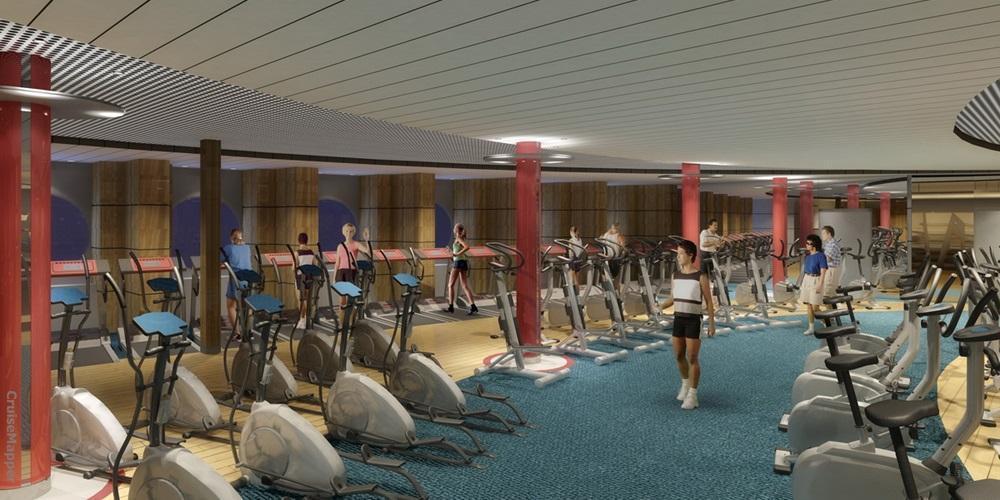
Therefore, reducing the weight of cruise ships can have a positive environmental impact by decreasing fuel consumption and emissions. The answer to that question depends on a number of factors, including the ship’s size, type, and construction materials. However, a typical cruise ship weighs somewhere in the range of 50,000 to 150,000 tons. Large cruise ships have an average weight that exceeds 50,000 GT, with some weighing over 200,000 GT. Fuel and water capacity are crucial considerations when it comes to the weight of a cruise ship. These factors directly impact the ship’s range, operational efficiency, and overall performance.
Features and Amenities on Princess Cruise Ships
Passenger capacity is usually determined by the number of cabins, suites, and staterooms available on the ship. These accommodations can range from small, interior cabins to spacious, luxurious suites with balconies and private hot tubs. A ship with a shallow draft can access smaller ports and shallower waters, while a ship with a deep draft is limited to larger ports and deeper waters. These types of ships are only able to dock at larger, well-trafficked ports.
Large Cruise Ships
Icon of the Seas, world's largest cruise ship, set to make its debut - CBS News
Icon of the Seas, world's largest cruise ship, set to make its debut.
Posted: Wed, 12 Jul 2023 07:00:00 GMT [source]
In summary, the weight of a cruise ship is influenced by various factors, including construction materials, size and dimensions, and fuel and water capacity. The choice of construction materials, such as steel and aluminum alloys, impacts the structural integrity and overall weight of the ship. The size and dimensions of the ship determine its volume and carrying capacity, while fuel and water capacity directly affect its range and operational efficiency. By carefully considering these factors, cruise ship designers can create vessels that strike a balance between comfort, safety, and sustainability.
How Much Do Cruise Ships Weigh
Cruise ships are massive, complex machines that require a great deal of engineering and planning to build. The weight of a cruise ship is a major factor in its design, construction, operation, and environmental impact. Cruise ship operators must carefully consider the weight of their ships in order to minimize their environmental impact and safety risks. Deadweight tonnage is a measurement unit that refers to the total weight of cargo, fuel, provisions, and passengers that a cruise ship can safely carry. This measurement is crucial for ensuring that the ship remains stable and balanced while at sea, especially during long voyages.
From passenger capacity to fuel and cargo, we’ll uncover the secrets behind just how heavy these vessels truly are. The change allows ships with 90% vaccinated passengers to be considered highly vaccinated. Some risk-averse passengers may worry about sailing with a higher percentage of unvaccinated individuals. I understand the reasoning behind the CDC’s decision to lower the vaccination threshold for cruise ships. However, I am concerned about the potential implications and risks involved. As vaccination rates increase and more people become accustomed to the new normal, it is likely that the future of pre-boarding testing will be reevaluated and potentially relaxed.
The weight of a cruise ship plays a significant role in its fuel efficiency. Heavier ships require more fuel to propel them through the water, leading to increased operational costs and a larger carbon footprint. When it comes to cruise ships, one of the key factors that significantly impacts their weight is the passenger capacity. This is because each passenger brings along their luggage, personal belongings, and even adds to the overall load on the ship.
Changes in Design?
For context, the gross tonnage is a measure used to represent the overall size and internal volume of a ship, not its actual weight. However, the gross tonnage gives you an idea of how immense this vessel truly is. The world’s largest cruise ships, such as the Harmony of the Seas, Allure of the Seas, and Oasis of The Seas, tip the scales at over 200,000 tons each. Gross tonnage is used to measure the weight of these enormous vessels, with one gross ton equaling 100 cubic feet of enclosed space. For comparison, the historic RMS Titanic weighed approximately 58,000 tons, a far cry from the behemoths that sail our oceans today.
Impact of Testing Changes on Cruise Industry

The weight distribution of a cruise ship directly impacts its stability in rough seas and adverse weather conditions. A heavier ship with improper weight distribution may be more prone to rolling or pitching, leading to discomfort and potential safety hazards for those on board. Fuel efficiency is a significant concern for cruise ship operators due to the high costs and environmental impact of fuel consumption.
It has a major impact on the vessel’s weight and operating factors in addition to having an influence on the design. A cruise ship’s layout is heavily influenced by the maximum number of passengers it can hold. This includes how weight is distributed and how much room is set aside for amenities, cabins, and public areas. The biggest and most luxurious cruise ships are these engineering marvels of the sea; they often resemble floating cities and may accommodate more than 5,000 guests. Mega-ships revolutionize luxury travel with their vast selection of amenities, which includes entertainment centers and several dining options.
The weight of passengers is evenly distributed across the ship to maintain stability and prevent any tilting or listing. In recent years, there have been advancements in the development of lightweight composite materials, such as carbon fiber-reinforced polymers (CFRP). These materials offer even greater weight reduction potential while maintaining the necessary strength and safety standards.
Let’s delve into how weight impacts the speed and maneuverability, fuel efficiency, and stability and safety of a cruise ship. Gross tonnage is another measurement unit used to determine the weight of a cruise ship. This measurement takes into account the total enclosed volume of the ship, including all spaces used for accommodation, cargo, and machinery. Gross tonnage is an important factor in determining the overall size and capacity of a vessel.
Besides the delectable food, the onboard entertainment on this ship is truly one-of-a-kind. Enjoy live performances by talented musicians, dazzling Broadway-style shows, and engaging activities that cater to all ages. Whether you’re looking for a relaxing evening or an exciting night out, there is never a dull moment onboard. From gourmet restaurants to casual cafes, there is something to satisfy every palate. Indulge in a variety of cuisines, prepared by talented chefs who prioritize quality and flavor. Explore the intimate charm and cozy atmosphere of Princess’ smallest vessel, where you can connect with fellow travelers and create lasting memories.
However, as the industry learns to live with the virus, there is a trend towards fewer protocols and restrictions. Despite the challenges posed by the presence of cases on cruise ships, there has been a noticeable trend towards loosening restrictions in the industry. Changes in protocols and vaccination rates on cruise ships are contributing to this trend. Yes, there are special promotions and booking discounts available for the smallest Princess cruise ship.
So, with all these smart designs, cruising on these big ships can be really fun and not too shaky, even when the sea gets rough. Even though these ships are really tall and big, they can still sway a lot. Thanks to modern design and technology, these ships not only float but stay balanced and smooth while sailing. All these features make being on a cruise ship a blast, turning it into a floating city of fun. In summary, these engineering breakthroughs make cruising on these mega ships not just possible, but also enjoyable. And since they are wide, long, and deep, they have adequate flotation by water displacement within the ocean.




No comments:
Post a Comment